AI & childhood
The human skills AI can't replace (and how to grow them early)
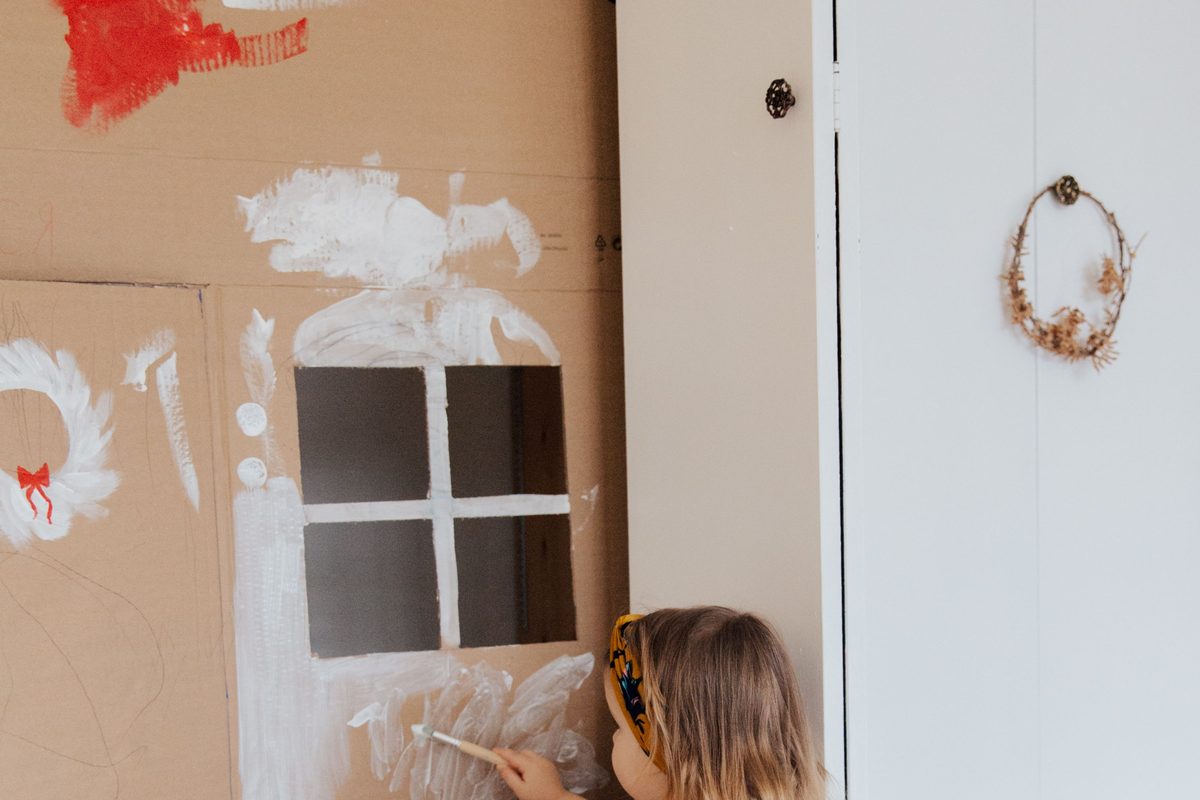
The human skills AI can’t easily replace are the ones that need a body, a heart and lived experience: creativity, judgement, connection, curiosity, initiative and the grit to stick at something hard. As machines get better at recalling facts and drafting answers, these become the parts that set a person apart, and they are best grown in early childhood through play.
Here is a closer look at the ones that hold their value, and how you can start growing each in a three to five year old without any special kit.
Why these skills matter more now, not less
For most of history, being capable meant knowing a lot and doing routine things well. A machine can now do plenty of that. What is left is the harder, more human work: deciding what matters, making something new, understanding people, and carrying on when things go sideways. Those capacities do not come from a screen. They are grown in the real world, slowly, through practice. We looked at where work itself is heading in will AI take my child’s job, and this is the other side of that coin.
Creativity: making, not choosing
A machine remixes what already exists. A child who builds a rocket from a cereal box or invents a game with its own rules is doing something different in kind.
Grow it early: offer open-ended materials, boxes, blocks, tape, crayons, and resist the urge to show them the “right” way. Ask “what could this be?” and follow wherever they take it.
Judgement and discernment: telling true from shiny
In a world where a screen can produce something confident and wrong in seconds, the child who checks, who does not just believe the first answer, has a real advantage.
Grow it early: play guessing games. Will it sink or float? What do you think will happen if we mix these? Let them predict, then test, then talk about the surprise.
Connection: reading real people
Warmth, empathy and the ability to sit with another person are grown side by side in the ordinary business of playing together. No app teaches a child to notice that a friend is sad.
Grow it early: name feelings out loud, play face-to-face games, and give them time with other children and with you, undivided.
Curiosity: asking the next question
When an answer is always one tap away, it is easy to stop wondering. The children who keep asking why and what if are the ones who keep learning long after today’s facts are out of date. There is a whole guide to raising a curious child if you want to lean into this one.
Agency: being the one who acts
A child with agency tries things, makes a mess, fixes it, and learns that they can act on the world. A child who mostly watches learns the opposite.
Grow it early: let them do the small hard thing themselves, pour the milk, zip the coat, carry the plate, even when it is slower and messier.
Sticking at it: the quiet superpower
Staying with something hard until it works is built in small doses, every time a child keeps going after a block tower falls.
Grow it early: resist rescuing too fast. Sit with the frustration, offer a word of encouragement, and let them feel the win when it finally comes.
The simplest way to grow all of them
None of this needs a curriculum of classes. It needs real, hands-on play, a little of it every day. Our list of screen-free activities for 3 year olds and twenty ten-minute activities are full of ways to build these strengths without it feeling like a lesson. For the full framework, see the eight human skills your child will need in an AI world.
Frequently asked questions
What skills can AI not replace? Creativity, judgement, empathy and connection, curiosity, initiative and perseverance. These need lived, physical, human experience and are hard to automate.
How do I teach my child skills that AI can’t replace? Through everyday play rather than formal lessons. Open-ended making, guess-and-check games, face-to-face play, and letting them do small tasks themselves all build these strengths naturally.
At what age should I start? Three to five is ideal, because a child forms their earliest habits of attention, curiosity and effort in these years. Play is the tool, not worksheets.
Mini Brains Play turns this into a simple daily habit: ten minutes a day of real, screen-free play that grows these exact human strengths, planned for you. Download it on the App Store and start today.