Ideas for raising a little human in an AI world.
Plain, practical reading for busy Australian parents. Screen-free play, the skills that matter most, and real help for the hard hours.
How do I get my kids to play together?
Siblings who bicker all day are not failing to get along, they are practising a skill. Here is how to help your 3 to 5 year olds really play together, backed by research, without refereeing every minute or handing over a screen.
Read more →Screen-free activities for 5 year olds (the year before school)
The screen-free activities that suit a five year old, from cooperative pretend play and games with real rules to early writing and bigger physical challenges, and why each one is worth your ten minutes.
Read more →Screen-free activities for 4 year olds (that hold their attention)
The screen-free activities that suit where a four year old is up to, from bigger pretend play to simple rules games, and why each one is worth your ten minutes.
Read more →Should I tell my child they're clever?
It is better to praise the effort than the trait. Telling a 3 to 5 year old 'you worked so hard at that' instead of 'you're so clever' helps them keep going when things get difficult, and the research on why is surprisingly strong.
Read more →Is pretend play good for my child?
Yes. Pretend play is how three to five year olds grow their language, work out other people and practise self-control. Here is what the research actually shows, and how to make room for it.
Read more →Is boredom good for my child?
Yes. A bit of boredom pushes a young child to invent, solve and rely on themselves, which is where imagination and problem-solving grow. Here is what the research says, and how to let boredom do its work instead of reaching for a screen.
Read more →
The hard bit is the point
Learning is meant to feel hard, and it starts long before school. Why letting your Mini struggle beats handing them the answer.
Read more →
How do I build my child's fine motor skills?
Fine motor skills are the small hand and finger movements behind holding a pencil, doing up a button and threading a bead. Here is how everyday play builds them, and why they matter so much for school, backed by research.
Read more →
How do I help my child build a longer attention span?
A short attention span is normal at 3 to 5, and concentration is a skill that grows with the right kind of play. Here is what to expect, what wears it down, and how to help, backed by research.
Read more →
Why is outdoor play so important for young children?
Outdoor play gives a 3 to 5 year old the big movement, fresh air and free-range attention a screen cannot. Here is what the research says, how much they need, and simple ways to get it.
Read more →
What open-ended play does for your child (and how to do it at home)
A creative play studio in Adelaide showed me why open-ended, child-led play works so well for little kids, and how to set up the same thing at home for next to nothing.
Read more →
Does reading aloud to my child really make a difference?
Yes, and the research is unusually strong. Reading aloud to your 3 to 5 year old builds language, attention and school skills, even a few minutes a day. Here is what the studies show and how to get more out of one book.
Read more →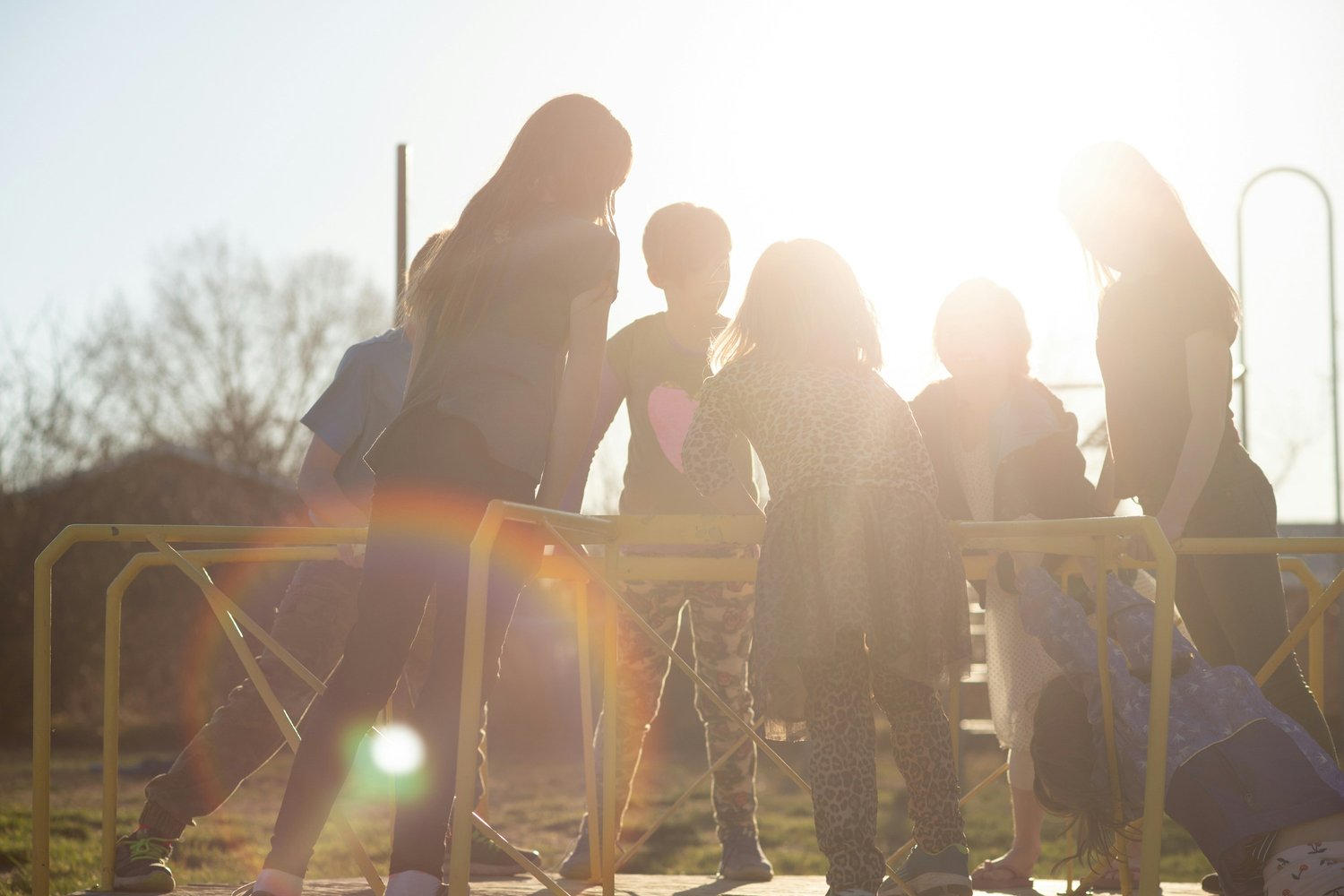
How do I help my child with big feelings?
A 3 to 5 year old having big feelings is not misbehaving. Their brain is still building the part that calms them down. Here is how to help, backed by research, without a screen or a sticker chart.
Read more →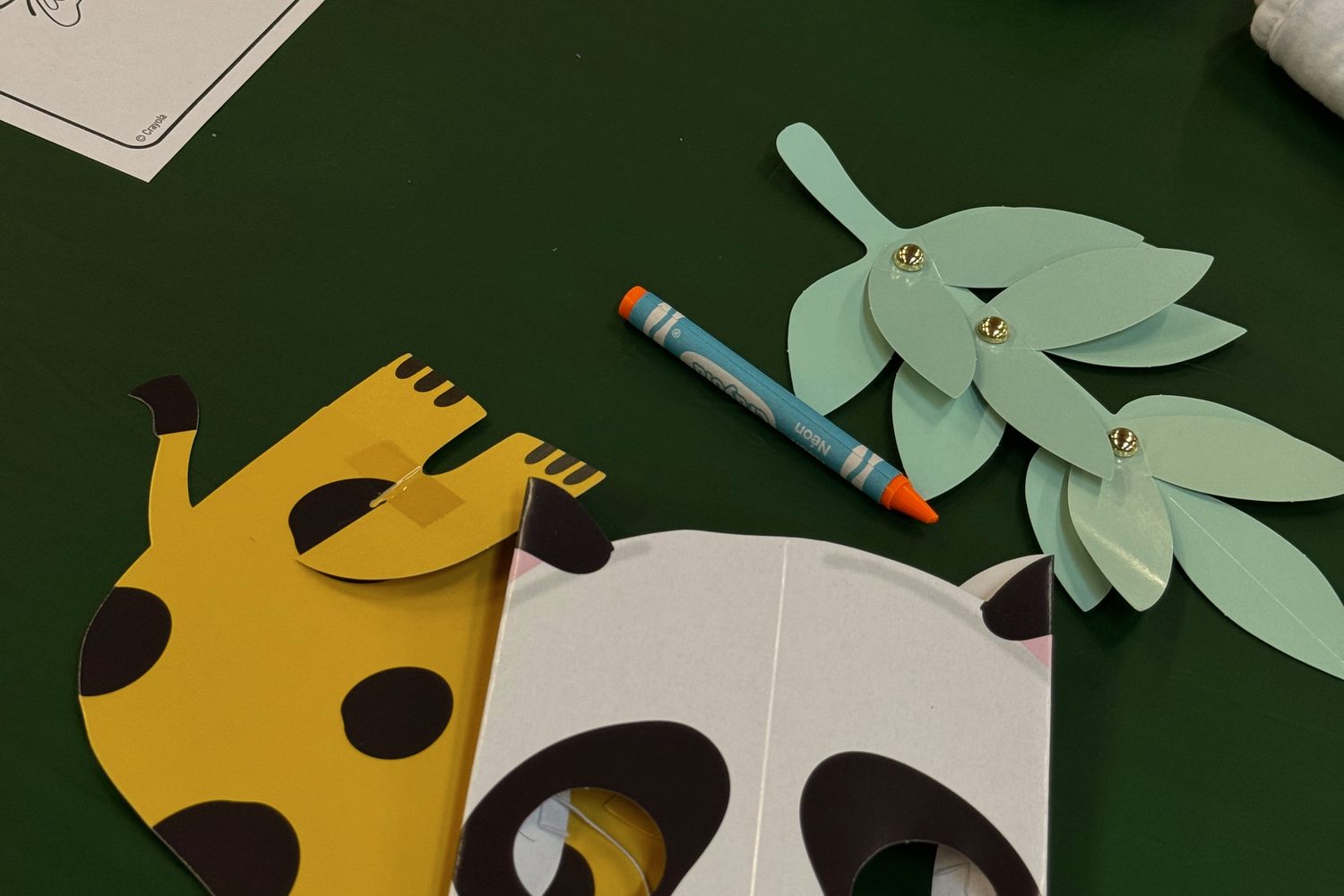
Given crayons and AI art, children chose the crayons
When researchers gave children AI art tools, many reached for real crayons instead, and felt more connected to what they made by hand. Here is why that matters.
Read more →
How much screen time is OK for a 3 to 5 year old? What the research says
Health guidelines say no more than one hour of screen time a day for a 3 to 5 year old, and less is better. Here is what the research actually found, and what to do with the hours you free up.
Read more →
How to raise an AI-ready child at 3 to 5, screen-free
You cannot teach a preschooler to use ChatGPT, and you should not try. Here is how to build the foundations of AI readiness at 3 to 5, entirely screen-free.
Read more →
Why children are turning to AI, and what eSafety wants parents to know
Australia's eSafety Commissioner found that most kids aged 10 to 17 have used AI, many for advice and company. Here is what that means, and why the human skill of connection is built long before the teens.
Read more →
Will AI make my child a lazy thinker? What 'cognitive debt' means
New brain research suggests that leaning on AI to do our thinking has a real cost, and it has a name: cognitive debt. Here is what it means for children, and why the early years are the best defence.
Read more →
Your child is growing up with AI: what the numbers say
AI has gone from novelty to normal in a couple of years, and a quarter of primary-aged kids already use it. Here is what the data shows about the world your 3 to 5 year old is entering, and what to do about it.
Read more →
Is my child ready for school? The skills that matter most
School readiness is less about knowing letters and numbers early, and more about whether a child can focus, wait, manage a big feeling and have a go. Here is what the long-run research says, and how to grow it through play.
Read more →
Why play is how young children actually learn
For a 3 to 5 year old, play is not a break from learning. It is the main way learning happens. Here is the science of play-based learning, the difference between free and guided play, and how to use it at home.
Read more →
How to raise a curious child (and why it matters now)
Curiosity is the engine under lifelong learning, and it is easy to grow or squash. Simple, screen-free ways to raise a curious 3 to 5 year old, and why it matters more in an AI world.
Read more →
The human skills AI can't replace (and how to grow them early)
As AI gets better at the knowing and the doing, a handful of human skills only become more valuable. Here they are, and simple ways to grow them in a 3 to 5 year old.
Read more →
Screen-free activities for 3 year olds (that actually last)
The screen-free activities that genuinely hold a 3 year old's attention, why they work, and the trick to making them last longer than five minutes.
Read more →
Will AI take my child's job? A calm look at the future of work
A steady, clear answer to the question every parent is asking. What AI is likely to change about work, what it can't, and how to prepare a 3 to 5 year old for either.
Read more →
The eight human skills your child will need in an AI world
The jobs are changing faster than school can keep up. Here are the eight human strengths worth growing in your 3 to 5 year old now, and why they matter more than ever.
Read more →
20 screen-free activities you can do in ten minutes flat
No printing, no special kit, no big commitment. Twenty little bursts of real-world play for 3 to 5 year olds, using what is already in your house or backyard.
Read more →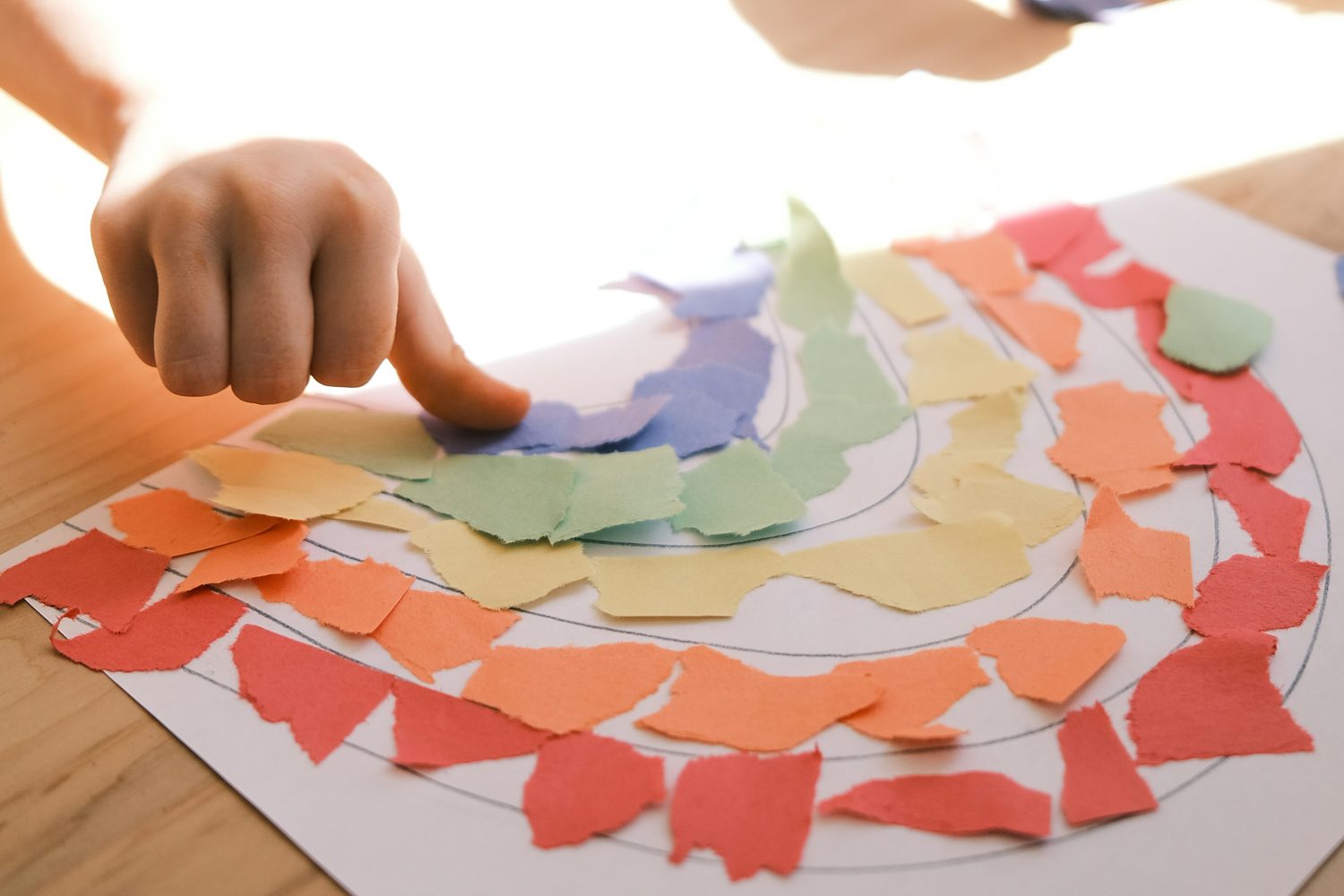
The toddler witching hour: 5 calm ways through the 5pm meltdown
The witching hour, that meltdown-y stretch before dinner and bath, explained. Plus five quick, screen-free ways to calm a 3–5 year old and get everyone to bedtime in one piece.
Read more →