School readiness
Is my child ready for school? The skills that matter most
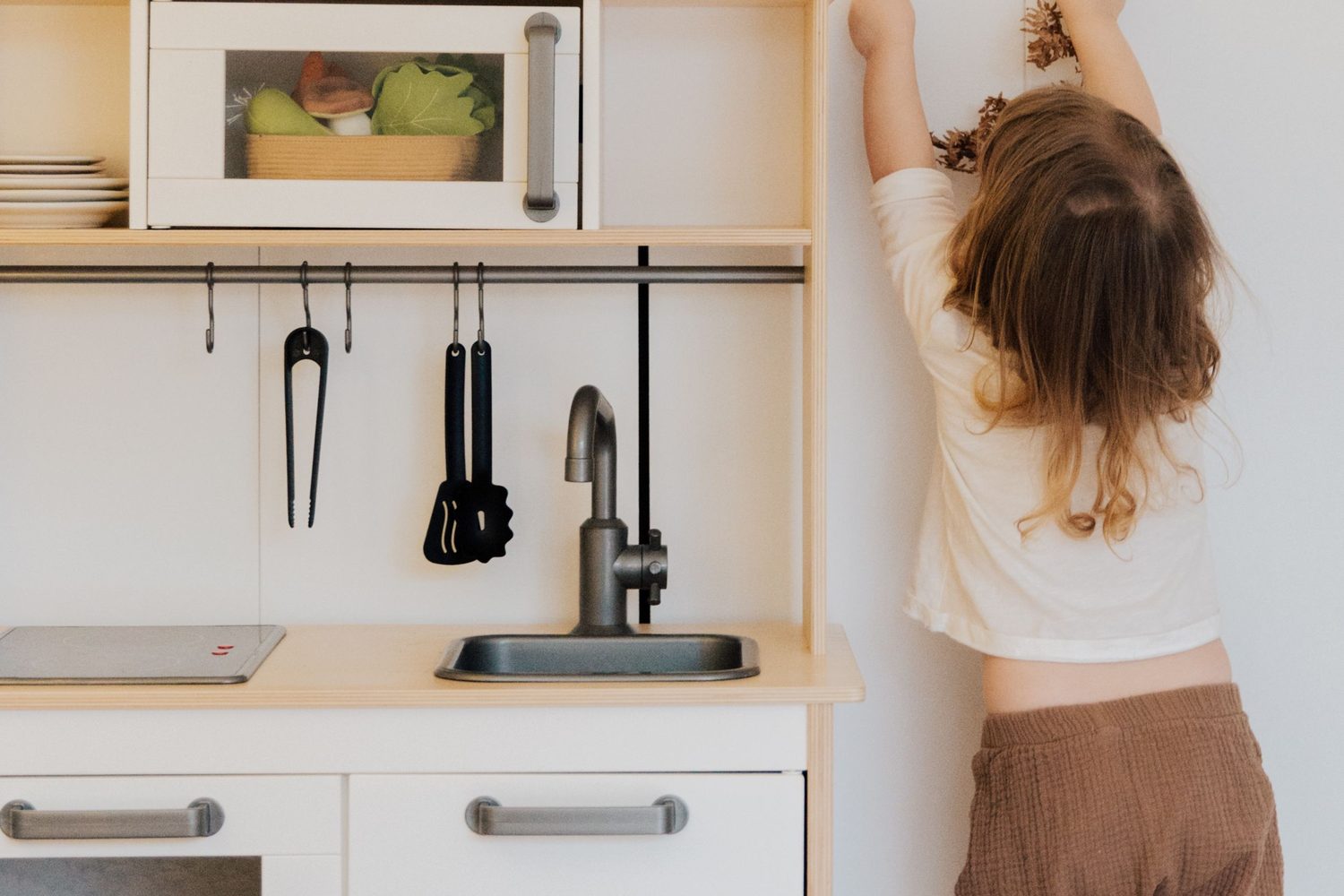
If you are lying awake wondering whether your child is ready for school, the good news is that readiness has far less to do with reciting the alphabet or counting to twenty than most of us assume. What matters more is whether your child can settle to a task, wait a moment for their turn, recover from a wobble without falling apart, and have a go at something new. Those are the quiet skills that carry a child through a classroom, and the long-run research backs it up.
None of that comes from flashcards. It comes from play, from real conversation, and from the ordinary back-and-forth of family life. Which means the best preparation for school is probably already happening at your kitchen table.
What school readiness actually means
Ask a teacher what they hope walks through the door on day one, and very few will say a child who can already read. They will say a child who can separate from a parent without too much distress, listen to an instruction and follow it, share and take turns, ask for help, and cope when things do not go their way.
The word for most of that is self-regulation: the growing ability to manage your attention, your body and your feelings. It sounds soft, but it is anything but. It turns out to be one of the most powerful predictors of how a child fares, not just in their first year of school but for decades afterwards.
The skill that predicts the most
The strongest evidence here comes from one of the longest-running studies in the world. Researchers in New Zealand followed more than a thousand children from birth into their thirties, measuring their self-control across early childhood and then checking in again and again as they grew up.
The results, published in 2011, pointed one way. Children with better self-control in their early years grew into adults with better physical health, more financial stability and fewer run-ins with the law. This held true even after the researchers accounted for how clever the children were and how well-off their families were. Self-control predicted these things on its own.
The other reassuring part: self-control sits on a gradient, and it can be nudged. This is not a fixed trait a child either has or lacks. It grows, with practice and with a bit of the right kind of support, which is exactly what the early years are for.
Early skills matter too, in their place
None of this means letters and numbers are pointless. A well-known analysis that pooled six long-term studies of school readiness found that early maths, early reading and, tellingly, a child’s attention skills at school entry all predicted how they went academically later on.
Attention sits right alongside the academic skills there, not off to one side. The ability to focus and stay with something is not separate from learning to read and count. It is the engine underneath them. A child who can pay attention will pick up letters and numbers when the time is right, often faster than a child who was drilled early but cannot yet sit with a task.
So the goal is not to choose between “academic” and “emotional” readiness. It is to grow the attention and self-regulation that make everything else possible, and to let the early academics arrive on their own steam through play rather than pressure.
What this looks like at your kitchen table
The good news is that self-regulation is built through completely ordinary moments, most of which you are already having. A few small shifts make them count for more:
- Play games with rules and turns. Simple board games, card games and even “your turn, my turn” with a ball teach waiting, losing and trying again, which is self-regulation in miniature.
- Let them finish things. When a child is absorbed in a puzzle or a drawing, protect it. Seeing something through builds the muscle for sticking at hard tasks later.
- Name feelings out loud. “You are frustrated that it fell over” helps a child recognise and manage what they feel. A child who can name a feeling is halfway to handling it.
- Give real jobs. Carrying the plates, watering a plant, sorting the socks. Small responsibilities grow the focus and follow-through that school will ask for.
- Protect boredom. The stretch of nothing-to-do is where a child learns to make their own fun, which is self-direction in disguise.
If you want the fuller picture of why these skills matter more than ever, our piece on the eight human skills your child needs in an AI world walks through the whole set, and there is a simple approach to raising a curious child that folds neatly into all of this.
The one trap to avoid
If there is a mistake to sidestep, it is turning the year before school into a cramming exercise. Drilling letters and numbers under pressure can leave a child anxious about learning before they have even started, and it buys very little that ordinary playful exposure would not have delivered anyway.
Read to them, count the stairs together, notice the letters on the cereal box. Then let it go and let them play. Play is not the break from getting ready for school. For a young child, play is how getting ready for school happens.
Growing these skills on purpose
Knowing that play builds readiness is one thing. Finding ten minutes of the right play every day, when you are already stretched, is another. That is the job we built Mini Brains Play to do. A future-ready little curriculum you run at home, one planned, screen-free activity a day for three to five year olds, each one working on the attention, patience and have-a-go spirit that school and life reward.
If you would like a fuller guide to getting your child ready, our school readiness page lays out how it all fits together.
School readiness questions parents ask
What age is a child ready to start school? Age is only part of it, and it varies by state and by child. Readiness is better judged by whether a child can separate from you, follow simple instructions, take turns and cope with small setbacks than by their birthday alone. If you are unsure, your child’s early educator or teacher is a good person to talk it through with.
Should my child be able to read before starting school? No. Teachers expect to teach reading. What helps far more is a child who enjoys books, can focus on a task and is willing to have a go, because those are the foundations reading is built on.
What is the most important school readiness skill? Self-regulation, which is the growing ability to manage attention, behaviour and feelings. Long-term research links early self-control to better outcomes well into adulthood, and it can be grown through everyday play and routine.
How can I get my child ready for school at home? Through ordinary playful moments rather than worksheets: turn-taking games, real little jobs, naming feelings, reading together and protecting unstructured play. Our school readiness page sets out a simple way to do this.